Hair Loss Treatment in Indore: Causes, Treatments and What to Expect
By Dr. Harshita Kothari
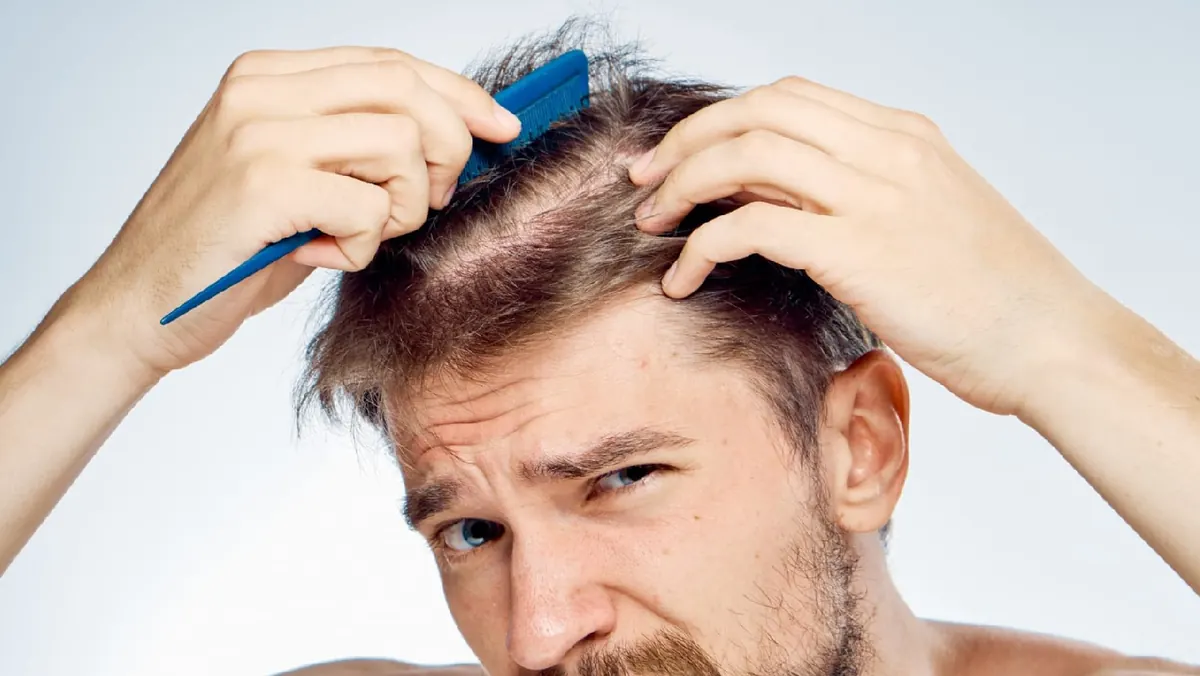
Hair fall is a common concern among men and women. If you notice excessive shedding, a receding hairline, thinning hair, or visible bald patches, understanding the underlying cause is the first step towards effective treatment.
At Skinpuritys Dermatology & Aesthetics Clinic in Indore, hair concerns can be evaluated by a qualified dermatologist to help identify possible causes and discuss suitable treatment options. The right approach depends on your hair loss pattern, scalp health, medical history, and individual needs.
If you are searching for hair loss treatment in Indore, this guide explains common causes of hair fall, available treatment options, and when to consult a dermatologist.
What Causes Hair Loss?
Hair loss can occur for several reasons. Identifying the cause is important because different conditions require different treatments.
Common causes include:
Hereditary Hair Loss
Genetic factors can contribute to gradual hair thinning in men and women. Men may notice a receding hairline or thinning around the crown, while women may experience reduced hair density or a widening part.
Nutritional Deficiencies
Low iron levels, inadequate protein intake, and certain nutritional deficiencies may contribute to hair shedding. A doctor may recommend appropriate tests if a deficiency is suspected.
Hormonal Changes
Hormonal changes and certain medical conditions can affect the hair growth cycle. A dermatologist may recommend further evaluation depending on your symptoms and medical history.
Stress and Illness
Significant stress, high fever, surgery, or a major illness can trigger increased hair shedding. This type of hair loss may improve over time once the underlying trigger is addressed.
Scalp Conditions
Dandruff, inflammation, fungal infections, and other scalp conditions may affect scalp health and contribute to hair problems.
Hair Care Practices
Frequent chemical treatments, excessive heat styling, and hairstyles that pull tightly on the hair may cause hair damage or hair loss.
When Should You Seek Hair Loss Treatment?
Occasional hair shedding is normal. However, you should consider consulting a dermatologist if you notice:
Persistent or increasing hair fall
Gradual thinning or a receding hairline
Visible bald patches
Sudden or unexplained hair loss
Scalp itching, redness, scaling, or discomfort
Hair thinning that continues despite changes in hair care
Early evaluation can help identify treatable causes and reduce the risk of continued hair loss in some conditions.
Hair Loss Treatment Options in Indore
There is no single treatment that works for everyone. After evaluating your scalp and identifying the likely cause, a dermatologist may recommend one or more of the following options.
1. Medical Treatment for Hair Loss
Depending on the diagnosis, a dermatologist may recommend topical treatments or prescription medication to help manage hair loss.
Minoxidil is one option used for certain types of hair thinning. Other medicines may be appropriate in selected cases.
Treatment choice, dosage, potential side effects, and suitability should be discussed with a qualified doctor. Results vary, and continued treatment may be necessary to maintain improvement.
2. PRP Hair Treatment
Platelet-rich plasma (PRP) therapy involves collecting a small blood sample, processing it to concentrate platelets, and injecting the prepared plasma into selected areas of the scalp.
PRP may be considered for certain types of hair thinning. Suitability depends on the cause and extent of hair loss.
The number of sessions and maintenance requirements vary. PRP is not guaranteed to restore lost hair, and the expected benefits should be discussed during consultation.
3. GFC Hair Treatment
Growth factor concentrate (GFC) therapy is another procedure offered by some hair treatment clinics for selected hair thinning concerns.
Its suitability and expected benefits depend on the individual case. Ask your dermatologist about the available evidence, potential risks, treatment schedule, and alternatives before deciding.
4. Hair Transplant
Hair transplantation may be an option for selected people with established pattern hair loss and suitable donor hair.
The procedure involves transferring hair follicles from a donor area to areas affected by hair loss. A specialist evaluates donor hair availability, the pattern of hair loss, medical suitability, and realistic expectations before recommending surgery.
A hair transplant is not appropriate for every type of hair loss, and future hair thinning may still occur.
5. Treatment for Scalp Conditions
If hair fall is associated with dandruff, inflammation, or a scalp infection, treating the underlying condition may be an important part of the management plan.
A dermatologist can recommend appropriate scalp care and medication based on the diagnosis.
Which Hair Loss Treatment Is Right for You?
The most appropriate treatment depends on the cause of hair loss, its severity, and your overall health.
For example, hereditary hair thinning may require a different approach from temporary shedding associated with illness or a nutritional deficiency. Patchy hair loss may also require specific medical evaluation.
A dermatologist may examine your scalp, review your medical and family history, and recommend blood tests when clinically indicated.
Avoid choosing a procedure solely because it is popular or advertised as a quick solution. An individual assessment helps determine which options are appropriate for you.
How Long Does Hair Loss Treatment Take to Show Results?
Hair growth takes time, so improvement is rarely immediate.
Some people may notice reduced shedding before they see visible changes in hair density. Depending on the condition and treatment, meaningful improvement may take several months.
Your dermatologist can explain the expected timeline, follow-up schedule, and signs of progress. Results vary from person to person, and some conditions may require long-term management.
Tips to Support Healthy Hair
Alongside appropriate medical care, the following habits can help support hair and scalp health:
Eat a balanced diet with adequate protein and essential nutrients.
Avoid hairstyles that pull tightly on the hair.
Limit excessive heat styling and harsh chemical treatments.
Follow a suitable scalp-care routine.
Avoid taking high-dose hair supplements without medical advice.
Seek evaluation for persistent or unexplained hair shedding.
These measures may support healthy hair, but they cannot replace treatment for an underlying medical condition.
Why Consult Skinpuritys for Hair Loss Treatment in Indore?
Skinpuritys Dermatology & Aesthetics Clinic provides dermatology and hair-care services in Indore.
Dr. Harshita Kothari, MD Dermatology, is the clinic's founder and chief dermatologist. Patients can seek professional evaluation to understand their hair concerns and discuss appropriate treatment options.
The treatment approach should be based on individual assessment, medical suitability, and realistic expectations rather than a one-size-fits-all solution.
Clinic Address:
Skinpuritys Dermatology & Aesthetics Clinic
103, First Floor, The Mark Building,
20A, Above Domino's, Near Saket Square,
Old Palasia, Indore, Madhya Pradesh – 452001.
Phone: +91-9575700996 / +91-9575700999
Website: https://skinpuritys.com/
Frequently Asked Questions
Which is the best hair loss treatment in Indore?
The most suitable treatment depends on the cause of hair loss. Medical treatment, PRP, GFC, scalp-condition management, or hair transplantation may be considered in selected cases after a dermatologist's evaluation.
Can hair fall be treated permanently?
The outcome depends on the underlying condition. Some causes of hair shedding are temporary, while hereditary hair loss often requires ongoing management. No treatment can guarantee permanent results for every patient.
Is PRP effective for hair loss?
PRP may help selected patients with certain types of hair thinning. Results vary, and multiple sessions may be required. A dermatologist can explain whether it is appropriate for your condition.
How many sessions are needed for hair regrowth treatment?
The number of sessions depends on the procedure, the cause of hair loss, and the individual's response. Your treatment plan should be determined during consultation.
Can nutritional deficiencies cause hair fall?
Yes. Certain deficiencies, including low iron levels, may contribute to hair shedding. Testing and supplementation should be guided by clinical assessment.
When should I consult a hair loss doctor in Indore?
Consult a dermatologist if hair loss is persistent, worsening, sudden, associated with bald patches, or accompanied by scalp symptoms.
Book a Consultation for Hair Loss Treatment in Indore
Persistent hair fall can have several causes, and identifying the right one is an important step towards appropriate care.
If you are concerned about hair thinning, excessive shedding, or a receding hairline, consult the dermatology team at Skinpuritys to discuss your concerns and available treatment options.
Medical Disclaimer: This article is intended for educational purposes only and is not a substitute for professional medical advice, diagnosis, or treatment. Treatment suitability and results vary between individuals. Consult a qualified dermatologist before starting any hair loss treatment.
About the Author
Dr. Harshita Kothari
Dr. Harshita Kothari is a leading dermatologist with 10+ years of experience. She is
the founder & Chief Dermatologist at Skinpuritys Dermatology & Aesthetics in
Indore. She provides advanced and personalised dermatological
care.
Disclaimer: The information on this website is solely designed to educate and create
awareness among users. This is not intended to be a substitute for professional medical advice or a
prescription. Each person and case is
unique, the outcomes of any of the treatments listed on this page may vary.